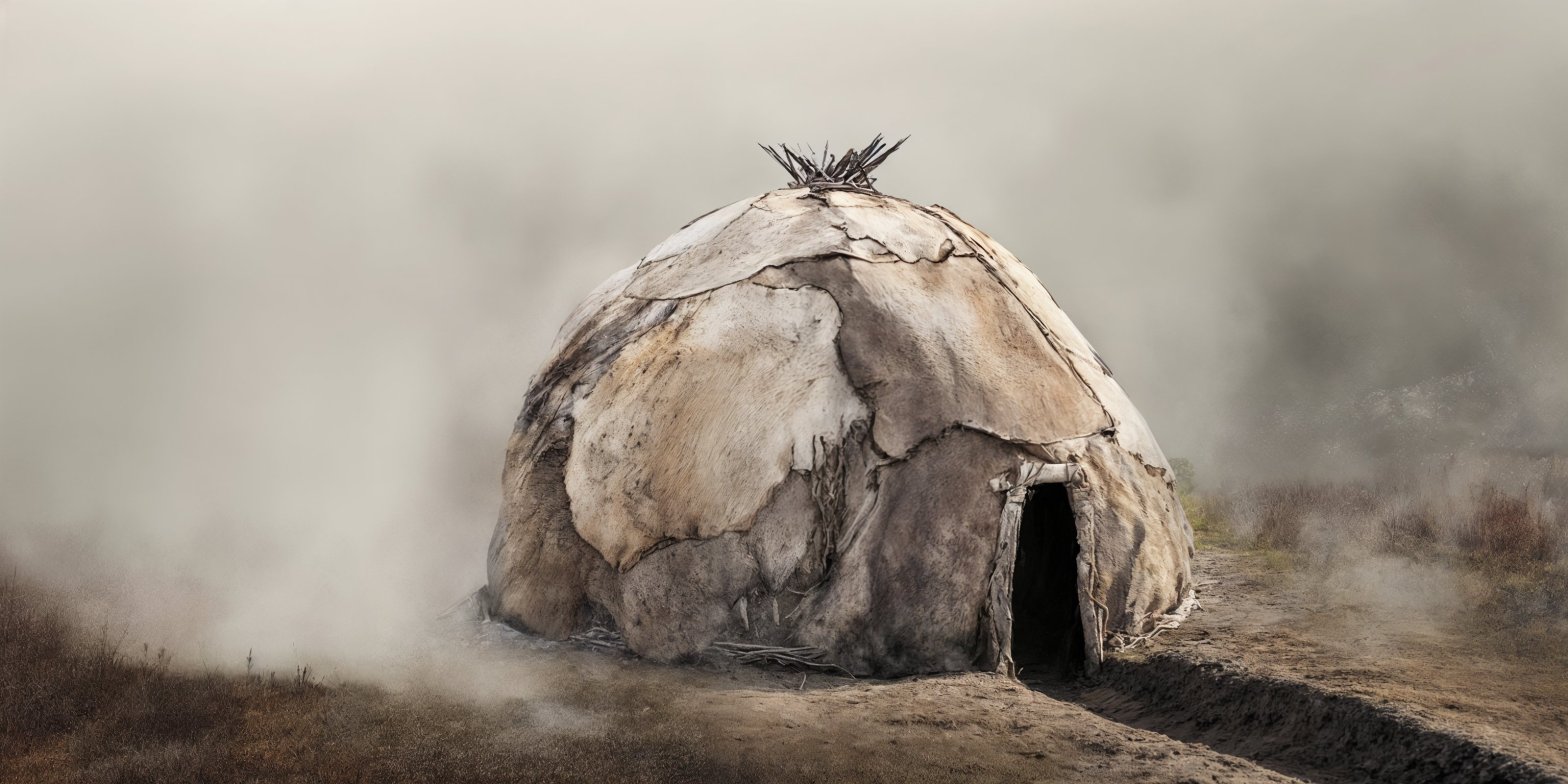
Sweat lodges were more than places of heat and cleansing—they were sites of transformation, healing, and connection for the Wendat people of southern Ontario. Archaeological evidence reveals these structures—some built within longhouses, others partially underground—as vital spaces where ritual, medicine, and community converged. Rooted in an animistic worldview and refined through centuries of practice, sweat lodges offered both physical renewal and spiritual communion in pre-contact Wendake.
Author: Kristian Howald
Kristian Howald is a digital media educator and researcher specializing in virtual heritage, character design, and immersive worldbuilding. He teaches in the Computer Animation program at Sheridan College and is a co-author of Architecture and Videogames: Intersecting Worlds. Since 2017, he has been a key contributor to the Longhouse Project—a collaborative initiative using digital tools to visualize and preserve Indigenous architectural heritage in partnership with the Huron-Wendat Nation. His work on Longhouse 5.0 has been implemented in museums and educational institutions, and he now leads the development of Longhouse 6.0: a higher-fidelity, VR-based reconstruction of village life within the palisade.
Longhouse 6.0: From Community to Character
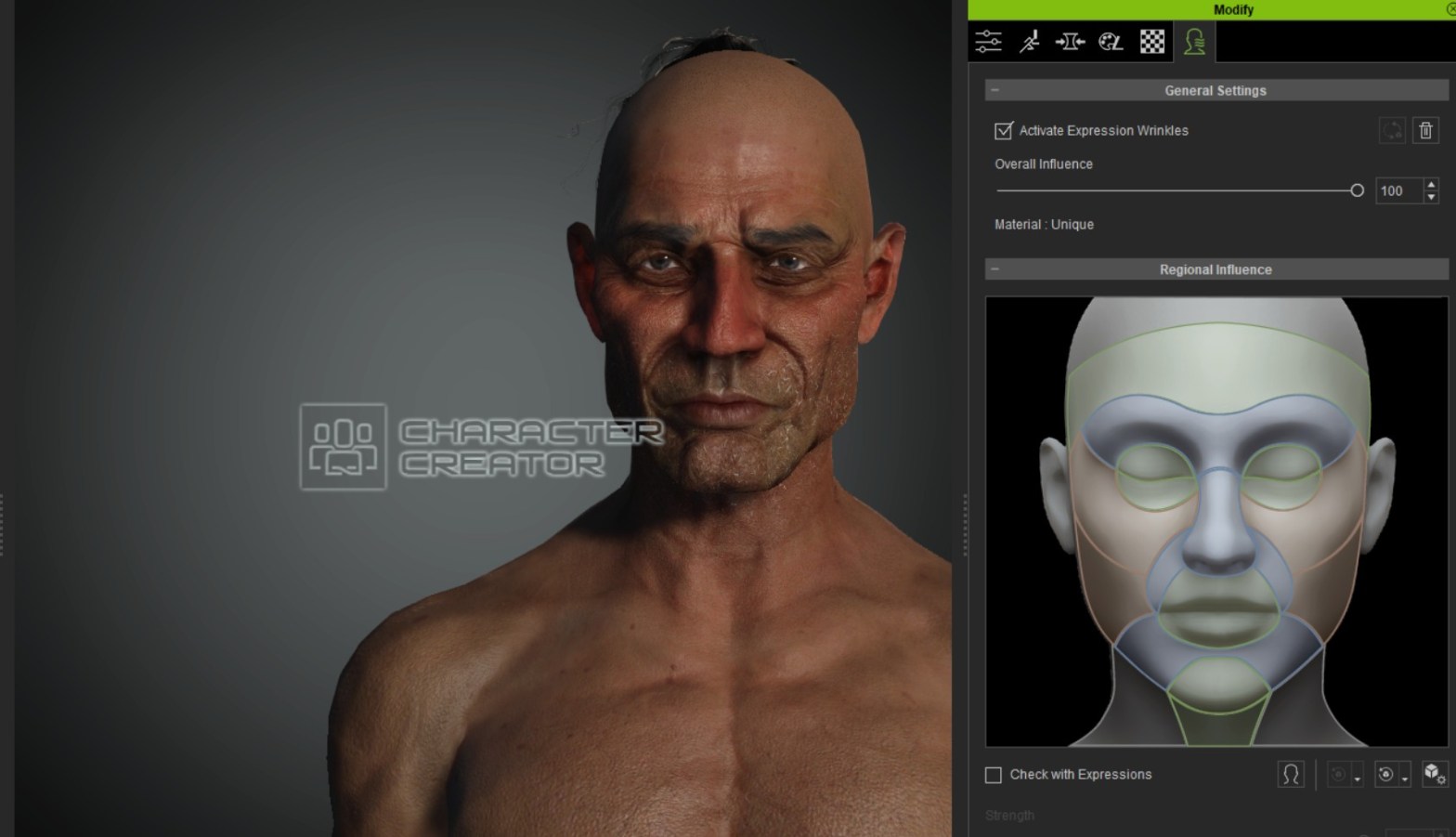
Longhouse 6.0 builds directly on the work from Longhouse 5.0 by bringing high-fidelity characters back into focus. In the previous version, the Awastokì team created seven adult characters. Quite a bit of research went into developing the hairstyles, tattoos, clothing, and accessories. However, given the numbers of people in the village, the final non-player characters… Continue reading Longhouse 6.0: From Community to Character
Longhouse 6.0: Reimagining Presence
Starting with a small prototype in 2017, the Longhouse project has grown into a collaborative exploration of Wendat heritage, virtual space, and cultural presence. This post reflects on the journey from Longhouse 4.0’s sensory experiments, through the living village of 5.0, and into the renewed focus of 6.0—where materiality, sound, and community continue to guide the work.
 Longhouse 6.0